
Narratives: The Importance of Storytelling Skills
Written by Caitlyn Kobata, SLP Graduate Student at the University of Washington
What is a narrative?
A narrative is a story that can be real, as in a personal story, or made up and told as a fictional story. The most common narrative structure includes:
A problem
Attempts at solving the problem
The resulting resolution, or final outcome.
Characters and their feelings, as well as details about the setting of the story are additional features that can bring excitement and tie all of the story elements together.

Narratives and Culture
Every culture has ways to tell stories. From ancient Egyptian hieroglyphics to ballad operas, narratives are important devices for keeping history alive and teaching important lessons.
The order in which details are shared can be influenced by culture. For example, schools in the U.S. often teach students to put stories together based on the order of events, using ties such as characters’ motives to explain their actions. There’s also a big emphasis on the Hero’s Journey in many western cultures. Other cultures often lean into elements like dance, song, and even different breathing patterns (in Italy) to bring their stories to life!
Narratives in Speech Therapy
Two types of narratives that we can work on in therapy include generation and retell.
Generation is when a story is thought of and told for the first time. Children generate stories when their parents ask them about their day at school. They must choose important events, put them in order, and explain background information for their parents to understand.
Retell is another type of narrative. When a child tells a story that he heard a friend talk about at school, he is re-telling that story. In this case, it’s important that he understood his friend and remembers the content he was told. Retell can be challenging for children who struggle to follow along with other people’s words and recalling details.
How does it help to work on narratives?
Narratives nurture many of the foundational skills that are important for success at school, including reading and writing. As children learn story structure, they can begin to guess the meaning of words from context, which is an important skill for expanding their vocabulary. And as they reflect on characters’ feelings, they can start to see the world from others’ perspectives, which will improve their social awareness and conceptualization of the world around them.
What can parents work on at home?
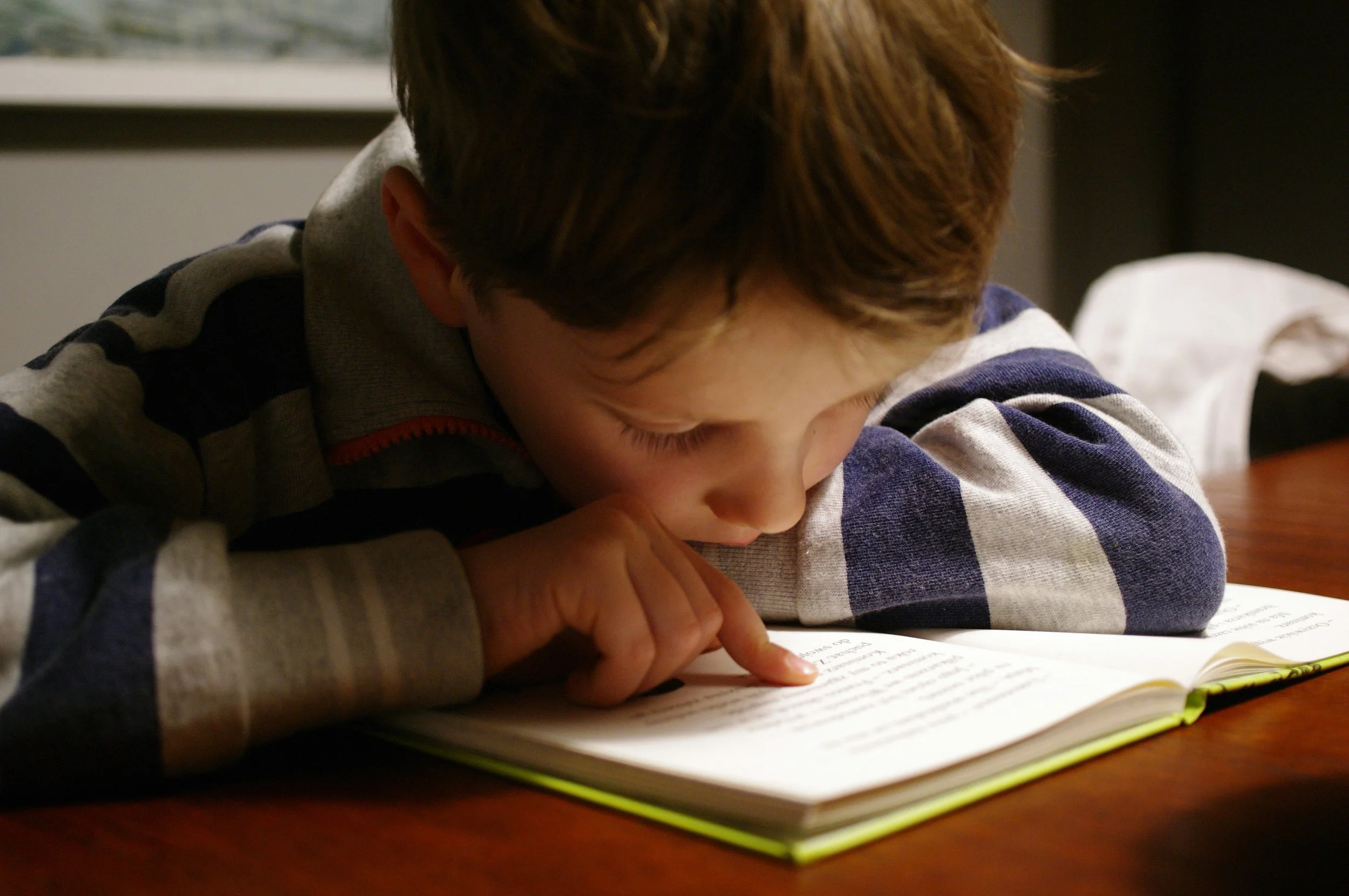
During a special storybook time, parents can ask facilitating “wh” and “how” questions that encourage their children to think about the feelings of characters, the problems in the story, and the solutions to ensure that they understand the plot.
Parents can also ask their children to make predictions which will help them to think about the social situations that the characters are in, make inferences about feelings that may not be explicitly stated, and decide on the next best course of action.
For example, with the classic Cinderella narrative:
- Who do you think this is? (Before reading the story)
- What will happen if she’s not back by midnight? (She will lose her pretty dress)
- Where will the ball be? (At the castle)
- When can she go to the ball? (After cleaning the house)
- Why did the step sisters do that to her? (They were jealous)
- How will she get to the ball now? (In a hot air balloon!)
Recasting
Recasting is a method of teaching grammar aloud, by adding new words or slightly correcting children’s phrasing as a response.
For example, if the child just says, “jealous,” a parent can say, “yes, they were jealous,” which adds a few more grammatical features to the child’s one-word statement. Or, if the child says, “I go, too,” a parent can say, “I want to go, too!” This strategy is an accessible way to enrich your interactions with high-quality language models about topics that already interest them.
Recasting is a foundational tool for speech therapy because it’s clinically valid, can be used in a variety of different ways, is simpler to use than other therapeutic strategies, and can connect directly to anything a child is motivated to communicate about. Give it a try with your kiddo next time you have an outing together!
Pictures and Drawings
Children can draw the events after reading a book to begin processing the information and thinking about the sequence of events. For early learning, the most important part is not that they understand one specific story, but that they recognize the pattern of problem and solution, and the connections between them. Drawing requires that they make conscious choices in their mind about the important events, which supports their understanding of the material.
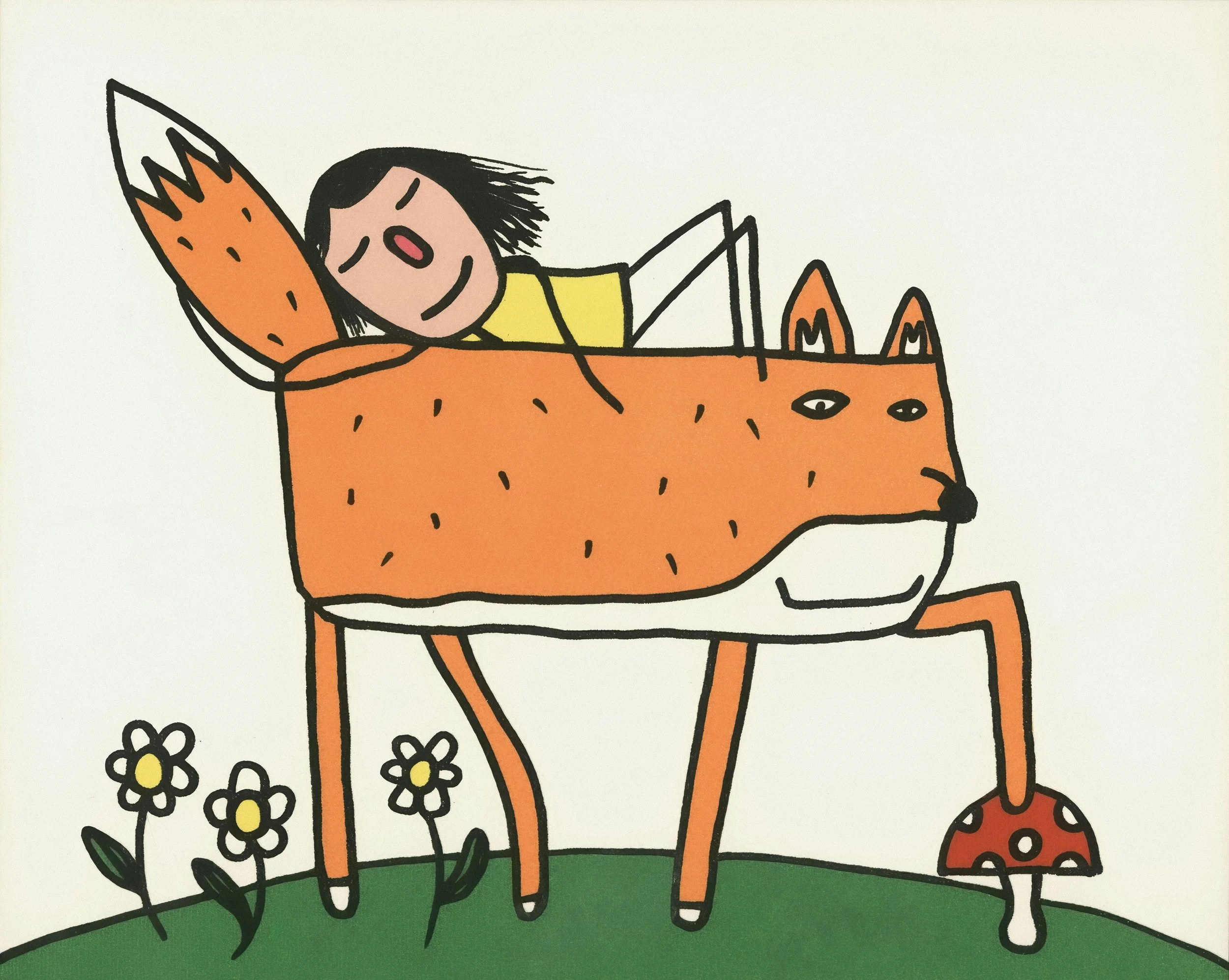
If a child starts to point out a small detail as part of the larger story, the parent can show them how that detail connects to the larger plot. For example, if the child says, “the sisters were getting ready for the ball” as a main point, parents can encourage them by asking, “and how did that make Cinderella feel?” (Or, “yes! That made Cinderella feel sad. So what did she do?”)
Bear in mind that for some readers, having the pictures of the book may actually be distracting and overwhelming, so they might benefit from not having the books in front of them when they are choosing which one to read.
It’s easy to see that narrative structure is an important component of communication development and an effective tool for intervention. So, next time you sit down to read a book with your kid, remember that the benefits are much greater than what can be judged by the cover.